Educational Articles & Project Resources
A collection of general knowledge articles spanning biology, chemistry, history, and health, alongside documentation and contact information for the Ouroboros-R project.


Explore a Wide Range of Topics
This site brings together articles on subjects from the nutritional benefits of strawberries and the chemistry of equilibriums to historical accounts of the 1961 Jânio Quadros government in Brazil and the geography of Algeria. Ever wondered how microbes transform milk into yogurt and cheese? How microbes make yogurt and cheese explores the fascinating science behind these everyday foods. A separate section provides documentation and contacts for the Ouroboros-R technical project.
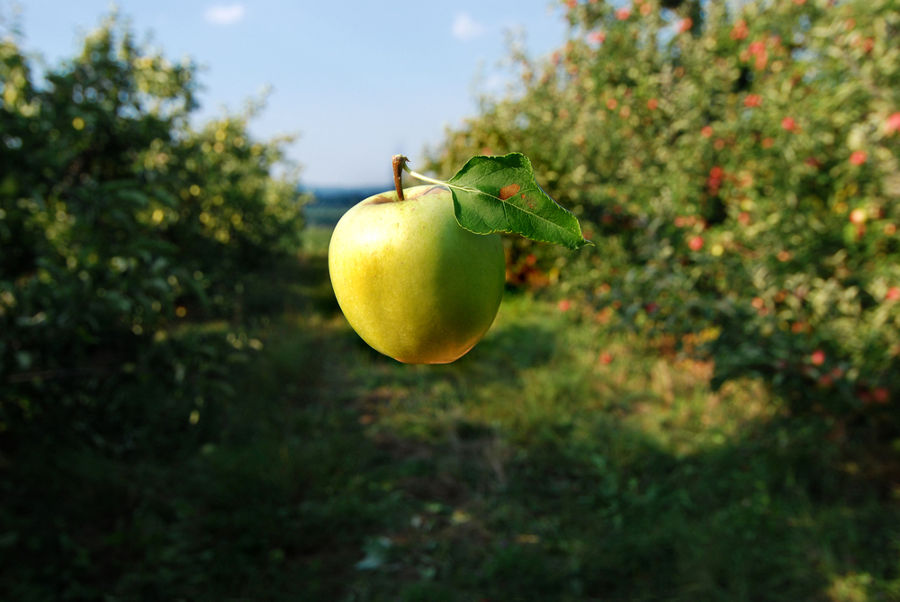
Strawberries belong to the Rosaceae family, a broad group of flowering plants that also includes apples, peaches, and cherries. These bright red fruits are valued not only for their sweet flavor but also for their nutritional profile. They provide a natural source of vitamin C, which supports the immune system and helps the body absorb iron from other foods. Strawberries also contain folic acid, a B vitamin important for cell growth and tissue formation. Regular consumption is associated with helping to prevent fragility in bones and supporting overall cardiovascular health, making them a popular choice in pies, mousses, and jellies across many cultures.
Chemical equilibrium refers to a state in a reversible reaction where the rate of the forward process equals the rate of the reverse process. In homogeneous chemical equilibriums, all reacting substances exist in the same phase, whether gas or liquid. This concept is fundamental in industrial chemistry, where controlling reaction conditions allows for the efficient production of desired substances. Factors such as temperature, pressure, and concentration can shift the equilibrium position, influencing the yield of a reaction. Understanding these principles is essential for the development of inorganic substances and for optimizing processes across the chemical industry.
The propagation of water waves is a physical phenomenon that can be described using mathematical concepts such as the parabola. When a wave passes through a medium, energy is transferred without the permanent displacement of matter. The distance between fixed points on successive waves, known as wavelength, and the height of the wave are key characteristics. Understanding wave behavior has practical applications in fields ranging from environmental sanitation to industrial automation, where the principles of wave motion inform the design of systems that manage water resources and monitor fluid dynamics.
Giardiasis is an intestinal illness caused by the protozoan parasite Giardia lamblia. Infection typically occurs when a person ingests contaminated water or food, often in contexts where environmental sanitation is inadequate. The parasite resides in the small intestine and can lead to symptoms such as diarrhea, abdominal discomfort, and nutrient malabsorption. In some cases, the illness can contribute to anemia and weight loss if left untreated. Prevention relies on proper hygiene practices, safe water supplies, and the use of magnifying glasses or microscopes in laboratory settings to identify the organism in clinical samples.
Proteins are complex molecules that play a critical role in the structure and function of the central nervous system. They are involved in the formation of nervous tissue, the transmission of signals, and the repair of cellular damage. Certain proteins act as catalysts for biochemical reactions, while others serve as structural components. A deficiency in essential proteins can contribute to a range of neurological issues and developmental problems. The study of proteins in the nervous system continues to be a significant area of biological research, with implications for understanding infections, illnesses, and the overall growth and maintenance of the human body.
Inorganic chemistry focuses on substances that are not based on carbon-hydrogen bonds, encompassing a wide variety of compounds including metals, minerals, and hydrides. The study of hydrides, which are compounds formed between hydrogen and other elements, is particularly relevant in industrial chemistry. These substances can act as reducing agents or as sources of hydrogen in various reactions. The formation of acidic or basic solutions often depends on the behavior of inorganic compounds in a given medium. Research in this field contributes to the development of new materials and the improvement of chemical production methods.
The nutritional values of fruits like strawberries are often studied in the context of preventing common illnesses. Folic acid, one of the key vitamins found in these fruits, plays a vital role in the production of red blood cells and the prevention of certain types of anemia. A deficiency in folic acid can lead to fatigue and other health complications. Beyond strawberries, a balanced diet that includes a variety of fruits and vegetables supports the immune system and helps the body resist infections. The relationship between diet and health remains a central topic in biology and public health education.
The concept of a fixed distance from a central point is fundamental to the geometry of a circle, but it also appears in the mathematical description of a parabola. In the context of intersections, a parabola represents the set of points equidistant from a fixed point and a fixed line. This geometric property has practical applications in optics, satellite dish design, and the study of projectile motion. The ability to model real-world phenomena using these mathematical forms is a valuable skill taught in school programs, bridging the gap between abstract theory and practical problem-solving.
The history of carnival celebrations in Europe reveals a tradition that originally developed in countries with colder climates as a period of festivity before the Lenten season. Typical carnival practices included parades, masks, and the consumption of rich foods, with fruits such as apples, peaches, cherries, and strawberries featuring in seasonal preparations. Over the centuries, these traditions spread and evolved, but the core benefits of communal celebration and artistic expression remained. Today, carnival is studied in the context of arts and biographies, offering insight into the cultural values and social history of different regions.
Biology & Health
Articles on strawberries and vitamin C, Fatal Familial Insomnia, folic acid, and giardiasis.
Read More
Chemistry
Covers homogeneous and heterogeneous chemical equilibriums, hydride reactions, carboxylic acid salts, and hydrocarbon nomenclature.
Read More
History & Geography
Topics include the 1961 Jânio Quadros government, the crisis in Venezuela, Algeria's geography, and Brazil's Central-South region.
Read MoreOuroboros-R Project
Documentation, implementation notes, and contact details for the Ouroboros-R technical project are available. Reach out to the team for more information.
Contact the Team